
Tips On Dusting
The Maids Portland – Tips On Dusting
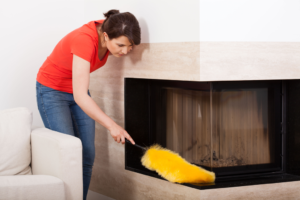 Dust can make even a clean home look dull and feel less comfortable. In addition, dust can settle almost anywhere, from shelves and furniture to electronics and ceiling fans. Fortunately, regular dusting can help your home look cleaner while making routine house cleaning easier.
The Maids Portland knows that dusting takes more than quickly wiping a few surfaces. Instead, a good dusting routine focuses on the entire room. It also uses the right tools and cleaning order to prevent dust from moving from one surface to another.
Whether you dust every few days or once a week, a smart routine can save time. Therefore, these simple tips can help you control dust and keep your Portland home looking fresh.
Why Does Dust Build Up So Quickly?
Dust enters and develops inside your home in many ways. For example, people and pets bring small particles indoors. Open windows and doors can also allow pollen, dirt, and other outdoor debris to enter.
Additionally, fabrics, bedding, carpets, and upholstered furniture can release fibers. Pet hair and dander may also become part of the dust that settles around your home.
Portland’s changing weather can add to the problem. During dry periods, more outdoor dust may enter your house. However, during wet weather, people can track dirt and debris indoors on their shoes.
Because dust constantly develops, you cannot eliminate it forever. However, you can control it with regular cleaning and a few simple habits.
Always Dust From Top To Bottom
One of the best dusting tips is also one of the easiest to remember. Always start at the highest point in the room and work your way down.
For example, begin with ceiling fans, high shelves, light fixtures, and the tops of cabinets. Next, clean tables, counters, window sills, and furniture. Finally, finish with baseboards and floors.
As you clean, some dust will fall. Therefore, cleaning from top to bottom prevents you from cleaning the same area twice.
Additionally, wait until you finish dusting before vacuuming the floor. This way, your vacuum can collect the particles that fall while you work.
Use Microfiber Cloths For Dusting
The right cleaning tool can make a major difference. Therefore, consider using microfiber cloths for most household dusting jobs.
Microfiber helps capture dust instead of simply pushing it around. In addition, you can use these cloths on many surfaces, including furniture, shelves, counters, and window sills.
A slightly damp microfiber cloth can work well on many hard surfaces. However, avoid using too much water. A wet cloth may leave streaks, and some surfaces can suffer damage from excess moisture.
Also, check the manufacturer’s care instructions before cleaning wood, electronics, or other delicate materials.
After dusting, wash reusable microfiber cloths so they are ready for your next cleaning day.
Do Not Forget Ceiling Fans
Ceiling fans often collect thick layers of dust because they sit above normal eye level. However, once you turn on a dusty fan, some of those particles can spread around the room.
Therefore, check fan blades regularly.
First, turn off the fan and allow the blades to stop completely. Then, carefully wipe each blade from the center toward the outer edge.
For heavy buildup, use a damp microfiber cloth. Additionally, you can place an old towel or sheet underneath the fan to catch falling debris.
Regular fan cleaning can make the entire room feel cleaner. Plus, it prevents heavy layers of grime from building up.
Dust Blinds And Window Areas
Windows attract more than fingerprints and water spots. In fact, blinds, shades, window frames, and sills can collect a surprising amount of dust.
Start by closing your blinds. Then, wipe across each section with a microfiber cloth or suitable duster. Next, turn the blinds in the opposite direction and clean the other side.
Additionally, wipe the window frame and sill. Pay special attention to corners because dirt can collect in these small spaces.
During Portland’s wetter months, inspect window areas for moisture while you clean. Although dusting will not solve moisture problems, regular cleaning can help you notice changes around windows sooner.
Give Baseboards Regular Attention
Baseboards often get ignored during quick cleaning sessions. However, they can collect dust, pet hair, and dirt over time.
First, vacuum loose debris with a brush attachment. Then, wipe the baseboard with a microfiber cloth.
For stubborn dirt, use a cleaning product that is safe for the baseboard’s finish. However, avoid soaking painted or wooden surfaces.
Also, pay extra attention to corners and areas behind furniture. These locations may hold more dust because they receive less regular cleaning.
Once clean, baseboards can make the entire room look brighter and more finished.
Clean Under And Behind Furniture
Dust loves hidden spaces. Therefore, look under beds, sofas, dressers, entertainment centers, and other large furniture.
If possible, move lightweight furniture so you can vacuum or mop underneath it. For larger pieces, use vacuum attachments or long-handled cleaning tools to reach hidden areas.
Additionally, inspect the space behind furniture. Dust, hair, crumbs, and other debris can collect there for months.
You do not need to move every heavy piece of furniture each week. However, adding these hidden areas to your deep-cleaning schedule can prevent major buildup.
Dust Electronics Carefully
Televisions, computers, monitors, speakers, and other electronics often attract dust. Therefore, include them in your regular dusting routine.
However, electronics need careful cleaning. Always follow the manufacturer’s cleaning directions before applying any product.
Generally, a clean microfiber cloth works well for light surface dust. Additionally, avoid spraying cleaning products directly onto electronic equipment.
Instead, use the proper cleaning method for the specific device.
Also, check around cords, entertainment centers, and computer desks. These areas often trap dust because cables create small spaces that are difficult to clean.
Wash Bedding Regularly
Your bedroom can contain plenty of dust. Bedding, pillows, rugs, curtains, and other fabrics may hold small particles and fibers.
Therefore, wash sheets and pillowcases regularly according to their care instructions. Additionally, clean blankets, comforters, mattress covers, and other bedding as needed.
While the bedding is off the bed, dust the headboard, nightstands, lamps, and nearby furniture. Then, vacuum around and under the bed.
As a result, you can clean several common dust-collecting areas during one routine.
Keep Clutter Under Control
Clutter gives dust more places to settle. For example, decorative items, stacks of paper, unused objects, and crowded shelves can make dusting much harder.
Therefore, reducing clutter can simplify your cleaning routine.
Start with one room instead of trying to organize the entire house at once. Then, remove items you no longer need and find storage for objects you want to keep.
Additionally, leave some open space on shelves and tables. Open surfaces are much easier to wipe down.
A less cluttered home may not stop dust from forming. However, it can make regular dusting much faster.
Remember Lamps And Light Fixtures
Lampshades and light fixtures often get overlooked. Yet, both can collect dust over time.
First, turn lights off and allow hot bulbs to cool. Then, dust lamp bases and appropriate fixture surfaces carefully.
For fabric lampshades, a lint roller may help remove loose dust and pet hair. However, always consider the material before choosing a cleaning method.
Additionally, check the tops of floor lamps and other areas that are difficult to see. These spots can hold more dust than expected.
Clean Air Vents And Registers
Heating and cooling vents can collect visible dust. Therefore, inspect vent covers and registers during your normal cleaning routine.
Use a vacuum attachment to remove loose debris. Then, wipe accessible surfaces with a microfiber cloth when appropriate.
However, do not push dirt deeper into the system.
Additionally, check your HVAC filter according to the system manufacturer’s recommendations. Replacing or cleaning the proper filter when needed can support normal airflow and help manage airborne particles.
Pay Attention To Door Frames And Trim
Door frames, trim, and the tops of doors can collect dust without getting much attention. Because these surfaces sit above eye level, you may not notice the buildup right away.
Therefore, add them to your top-to-bottom cleaning routine.
Start with the upper door frame. Then, wipe down the sides and any decorative trim. Finally, clean around handles and frequently touched areas with a suitable cleaner.
Also, remember closet doors. Although closets stay closed much of the time, dust can still settle around frames and tracks.
Vacuum After You Dust
Vacuuming too early can create extra work. Instead, finish your dusting before cleaning the floors.
As you wipe furniture, shelves, fans, and other surfaces, particles may fall to the ground. Therefore, vacuuming last allows you to collect this debris.
Use attachments along walls, around furniture, and in corners. Additionally, pay attention to rugs and carpeted areas where dust and pet hair may hide.
If you have hard floors, vacuum or sweep first. Then, mop when appropriate for the flooring material.
This simple cleaning order can make your routine more efficient.
Create A Weekly Dusting Routine
Dusting becomes easier when you stay ahead of buildup. Therefore, create a basic schedule that fits your household.
For example, dust high-use areas each week. These spaces may include living rooms, bedrooms, kitchens, and home offices.
Then, add less visible areas to a monthly cleaning routine. These areas may include high shelves, door frames, vents, and spaces behind furniture.
However, homes with pets or large families may need more frequent attention. Open windows, nearby construction, and seasonal pollen can also increase the amount of dust inside your home.
The best schedule is one you can follow consistently.
Control Dust Around Entryways
Entryways can bring dirt, pollen, and debris into the home. Therefore, keeping these areas clean can reduce how much material travels into other rooms.
Place suitable mats near exterior doors. Additionally, vacuum or clean those mats regularly.
You may also choose to remove outdoor shoes at the door. This simple habit can reduce the amount of dirt tracked across floors.
During Portland’s rainy season, entryways may need even more attention. Wet shoes can carry mud and debris inside. Therefore, regular entryway cleaning can help protect the rest of the house.
Do Not Ignore Decorative Items
Picture frames, artwork, artificial plants, books, collectibles, and decorations can all collect dust.
However, these items may require different cleaning methods.
Use a soft microfiber cloth for sturdy objects. Additionally, use a gentle brush or appropriate duster for detailed items with small spaces.
For framed artwork and valuable objects, follow proper care instructions. Avoid applying moisture or cleaning products unless you know they are safe for the material.
Also, consider rotating or reducing decorative items if dusting crowded shelves takes too much time.
Make Dusting Easier With Better Habits
A few daily habits can make weekly cleaning much easier.
For example, put items away after using them. Also, keep floors clear whenever possible. Clean spills and crumbs quickly, and avoid allowing piles of clothing or papers to build up.
Additionally, keep cleaning supplies in an easy-to-reach location. When supplies are ready, you can handle small dusting jobs before they become large ones.
Consistency matters more than trying to clean everything at once. Therefore, a few minutes of regular upkeep can prevent hours of heavy cleaning later.
When Your Home Needs A Deeper Cleaning
Sometimes routine dusting is not enough. For example, you may notice thick buildup on baseboards, fans, blinds, furniture, and other surfaces.
A home may also need extra attention after remodeling, moving furniture, hosting guests, or going through a busy season.
In these cases, a deeper cleaning can help reset the home. Start at the top of each room and work downward. Additionally, clean hidden spaces that you normally skip during weekly chores.
Once the deeper cleaning is complete, regular dusting becomes much easier to manage.
The Maids Portland Can Help Keep Your Home Clean
Keeping up with dust can feel like a never-ending job. After all, dust begins returning soon after you finish cleaning.
However, a consistent cleaning routine can make a major difference. Using the right tools, working from top to bottom, reducing clutter, and cleaning overlooked areas can help your home stay fresh.
The Maids Portland understands how much work goes into maintaining a clean home. Whether you need help with regular house cleaning or a more detailed cleaning, professional service can give you more time for the things that matter.
Most importantly, you do not have to wait until dust becomes noticeable. Regular cleaning helps prevent heavy buildup and keeps your living spaces looking their best.
Choose The Maids Portland For A Cleaner Home
A cleaner home starts with consistent care. Therefore, make dusting part of your regular cleaning routine and pay attention to the places that often get missed.
From ceiling fans and blinds to baseboards and furniture, every cleaned surface makes a difference. Additionally, regular vacuuming and clutter control can make future cleaning easier.
When you want extra help, The Maids Portland can take some of the work off your schedule. With professional house cleaning, you can spend less time chasing dust and more time enjoying your clean Portland home.
Contact The Maids Portland today to learn more about professional home cleaning services and discover how regular cleaning can help keep your home fresh, comfortable, and ready to enjoy.