
Stoping Your Pipes From Freezing
The Maids Portland – Stopping Your Pipes From Freezing
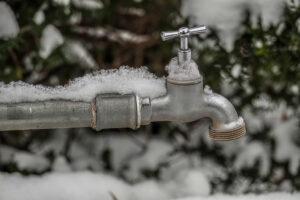 Winter in Portland brings cold temperatures, heavy rain, and occasional freezing weather. While Portland winters are often mild, sudden cold snaps can cause serious problems for homeowners. One common issue involves frozen water pipes. Fortunately, a little planning can help you avoid costly repairs and water damage.
At The Maids Portland, we know how important it is to keep your home clean, safe, and comfortable throughout the winter. Although regular cleaning helps protect your living space, winter home maintenance also plays a major role in preventing damage.
When temperatures drop below freezing, water inside your pipes can turn into ice. As a result, the ice can block water flow and create pressure inside the plumbing system. If that pressure becomes too great, a pipe may burst. Therefore, taking steps to protect your plumbing before freezing weather arrives can save you time, money, and stress.
In this guide, The Maids Portland shares helpful tips for preventing frozen pipes, spotting warning signs, and keeping your home safe during winter.
Why Do Water Pipes Freeze?
Water pipes freeze when the water inside them reaches freezing temperatures. However, not every pipe faces the same level of risk.
Pipes in warm areas of your home usually stay protected. On the other hand, pipes near outside walls, in crawl spaces, or inside unheated garages face greater danger.
Portland homes often have crawl spaces and older plumbing systems. As a result, some houses may have exposed pipes that need extra protection during cold weather.
Several factors increase the risk of frozen pipes, including:
-
Poor insulation around plumbing
-
Open crawl space vents during freezing weather
-
Unheated garages and storage areas
-
Cracks that allow cold air inside
-
Outdoor faucets without winter protection
-
Low indoor temperatures
-
Water pipes along exterior walls
Additionally, strong winter winds can push cold air into small openings around your home. Therefore, sealing gaps and protecting exposed plumbing can make a big difference.
Keep Your Home Warm During Freezing Weather
One of the easiest ways to prevent frozen pipes involves keeping your home warm.
Even when you leave for work or take a winter vacation, your heating system should continue running. Otherwise, indoor temperatures may fall enough to put plumbing at risk.
During cold weather, keep your thermostat at 55°F or higher. However, homes with exposed pipes or poor insulation may need a warmer setting.
Also, avoid turning off your heat completely when leaving town. Although lowering the temperature can save energy, a frozen pipe can lead to much greater expenses.
If you plan to travel, ask someone you trust to check your home. That way, they can spot heating problems or plumbing leaks before they become serious.
At The Maids Portland, we encourage homeowners to include winter heating checks in their seasonal home maintenance plans.
Insulate Exposed Water Pipes
Pipe insulation offers an affordable way to reduce the risk of freezing.
First, identify water pipes in areas that receive little heat. These locations often include crawl spaces, basements, garages, and exterior walls.
Next, cover accessible pipes with insulation sleeves designed for plumbing. Foam pipe insulation works well in many locations and comes in different sizes.
Additionally, pay close attention to pipes near foundation vents and outside openings. These areas may experience colder temperatures than the rest of your home.
For greater protection, consider these steps:
-
Install foam insulation around exposed pipes.
-
Seal gaps where plumbing enters exterior walls.
-
Add insulation to cold crawl spaces when appropriate.
-
Protect water lines in unheated garages.
-
Ask a plumber about approved heat cables for high-risk areas.
However, always follow product instructions when installing heat cables. Improper installation can create a fire hazard.
Remember, insulation slows heat loss but does not create heat. Therefore, exposed plumbing may still need extra protection during extended freezing weather.
Disconnect Outdoor Garden Hoses
Outdoor faucets face direct exposure to winter temperatures. As a result, they can freeze faster than plumbing inside your home.
Before freezing weather arrives, disconnect all garden hoses from outdoor faucets.
When a hose remains attached, water can stay trapped inside the faucet assembly. Consequently, that trapped water may freeze and damage the pipe.
After removing the hose, drain it and store it in a garage or shed.
Additionally, install insulated outdoor faucet covers for extra protection.
If your home has an indoor shutoff valve for outdoor faucets, close it before freezing weather. Then, open the outside faucet to drain the remaining water, following the system’s instructions.
These simple steps can help prevent expensive plumbing problems during Portland’s coldest winter days.
Open Cabinet Doors to Allow Warm Airflow
Many kitchens and bathrooms have water pipes inside cabinets. Unfortunately, closed cabinet doors can trap cold air around plumbing near exterior walls.
During freezing weather, open the cabinet doors beneath your kitchen and bathroom sinks.
This allows warmer indoor air to reach the pipes. As a result, the plumbing may stay warmer when outdoor temperatures drop.
However, move household cleaners, chemicals, and other dangerous products out of reach before opening cabinets. This step matters especially in homes with children or pets.
Also, keep the room heated and avoid blocking warm airflow with stored items.
The Maids Portland recommends checking under-sink cabinets during regular home cleaning. This habit can help you spot leaks, moisture, and plumbing concerns before winter arrives.
Let Faucets Drip During Extreme Cold
During severe freezing weather, a small amount of running water may help lower the risk of frozen pipes.
If a faucet connects to plumbing that faces freezing conditions, allow a slow trickle of water to flow.
Moving water can help reduce freezing risk. Additionally, an open faucet may relieve some pressure if ice begins forming inside the pipe.
However, dripping water does not guarantee that a pipe will stay unfrozen.
Use this method as a temporary precaution during extreme cold, especially when other protection measures are not enough.
Also, make sure the sink drains properly before leaving water running. Otherwise, a blocked drain could cause flooding.
For the best results, combine this method with proper heating, insulation, and cold-air protection.
Seal Cracks and Drafty Areas Around Your Home
Cold air can enter your home through surprisingly small openings.
For example, gaps around plumbing lines, foundation openings, and exterior walls can allow freezing air to reach water pipes.
Therefore, inspect areas where pipes pass through walls and floors.
Use suitable caulk or sealant to close small openings. For larger gaps, choose materials designed for the location and follow safety instructions.
Additionally, inspect crawl space access doors and weatherstripping.
However, do not block required ventilation openings or interfere with heating equipment. If you are unsure about crawl space ventilation, ask a qualified contractor.
By reducing drafts, you can help protect plumbing while improving indoor comfort.
Protect Pipes in Portland Crawl Spaces
Many Portland homes have crawl spaces beneath the main living area. Unfortunately, these spaces can become very cold during winter storms.
Exposed pipes in crawl spaces may freeze when temperatures stay low for several hours.
First, inspect accessible plumbing before winter begins. Look for damaged insulation, exposed water lines, and openings that allow cold air inside.
Next, replace missing insulation and repair damaged pipe coverings.
Additionally, check crawl space doors to make sure they close securely.
Some homes may benefit from professional crawl space insulation or other improvements. However, the correct approach depends on the home’s design, moisture conditions, and ventilation needs.
Because Portland receives significant winter rainfall, moisture control also matters. Therefore, avoid changes that trap water or create mold problems.
A licensed contractor or plumber can help you choose the right protection for your home.
Know the Warning Signs of Frozen Pipes
Frozen pipes do not always show obvious signs right away. However, recognizing early warnings can help you respond before serious damage occurs.
Watch for these common problems:
-
Little or no water coming from a faucet
-
Frost on visible plumbing
-
Unusual sounds when turning on water
-
A toilet that fills slowly
-
Water pressure that suddenly drops
-
Bulging or damaged pipe sections
Additionally, check for leaks after temperatures rise. Sometimes a frozen pipe develops a crack that becomes noticeable only after the ice melts.
If one faucet stops working during freezing weather, check other fixtures. This may help you identify whether the problem affects one pipe or a larger section of plumbing.
However, avoid forcing water through a frozen line or using unsafe heating methods.
What Should You Do if Your Pipes Freeze?
If you suspect a frozen pipe, act quickly but carefully.
First, locate the affected plumbing if you can safely access it.
Next, open the faucet connected to the frozen line. This can help relieve pressure and allow water to flow when the ice melts.
If the pipe is accessible and shows no signs of damage, gently warm it with a hair dryer on a low setting. Keep the dryer away from water and wet surfaces.
You can also use warm towels to help thaw an exposed pipe.
However, never use a torch, open flame, charcoal heater, or other dangerous heat source.
Additionally, do not use electrical equipment near standing water.
If you cannot find the frozen section, cannot thaw it safely, or suspect damage, contact a licensed plumber.
If you discover a burst pipe, shut off your home’s main water supply immediately.
Know Where Your Main Water Shutoff Valve Is Located
Every homeowner should know how to turn off the main water supply.
During a plumbing emergency, this knowledge can prevent major water damage.
First, locate the main shutoff valve. Depending on your home, it may sit near the water meter, in a basement, or where the water line enters the building.
Next, make sure you know how to operate it safely.
Additionally, show other household members where the valve is located.
If a pipe bursts, shutting off the water quickly can limit flooding. Afterward, contact a plumber for repairs.
The Maids Portland also recommends keeping emergency contact information in an easy-to-find location.
That way, you can respond quickly when unexpected winter problems occur.
Prevent Water Damage After a Pipe Bursts
A burst water pipe can release a large amount of water into your home.
As a result, flooring, cabinets, furniture, and walls may suffer serious damage.
After shutting off the water, focus on safety.
If water reaches electrical outlets, appliances, or wiring, stay away from the affected area. Contact a qualified professional before entering or using electrical equipment.
Next, call a licensed plumber to repair the damaged pipe.
Once the area is safe, begin removing standing water and drying affected surfaces. However, extensive flooding may require professional water damage restoration.
Additionally, document the damage with photographs for insurance purposes.
After repairs, inspect nearby areas for trapped moisture. Damp materials can support mold growth when they remain wet.
Therefore, fast cleanup and proper drying are important steps in protecting your home.
How Regular Cleaning Helps With Winter Home Maintenance
Keeping your home clean can make seasonal maintenance easier.
For example, cluttered storage spaces can hide plumbing leaks and make pipes difficult to inspect.
Additionally, crowded cabinets may block warm air from reaching plumbing during cold weather.
Regular cleaning helps you identify potential trouble spots.
At The Maids Portland, we understand that a clean home supports a more comfortable living environment.
Although professional house cleaning does not replace plumbing maintenance, it can help homeowners keep important areas accessible and easier to monitor.
Consider including these tasks in your winter cleaning routine:
-
Clear clutter from under kitchen and bathroom sinks.
-
Check cabinets for damp surfaces or water stains.
-
Keep storage items away from exposed plumbing.
-
Clean up minor spills before moisture spreads.
-
Inspect walls and floors for signs of water damage.
-
Keep utility areas organized and accessible.
Furthermore, a clean home makes it easier to notice changes that may signal a plumbing problem.
Prepare Your Portland Home Before a Winter Storm
Portland weather can change quickly during winter.
Although freezing temperatures may last only a short time, a strong cold snap can still cause damage.
Therefore, prepare your home before winter storm warnings arrive.
Start by checking your heating system. Make sure it works properly and can maintain safe indoor temperatures.
Next, inspect outdoor faucets and disconnect garden hoses.
Then, check exposed pipes for missing insulation.
Additionally, seal drafts around plumbing and exterior openings.
If you expect extremely cold weather, open sink cabinets where pipes run along outside walls.
Finally, locate your main water shutoff valve and keep a plumber’s contact information nearby.
Taking these steps before a storm can help you avoid rushing to protect your home after temperatures fall.
Should You Turn Off Your Water When Leaving for Vacation?
Winter travel creates extra risks for homeowners.
If you leave your Portland home empty during freezing weather, a plumbing problem may go unnoticed for days.
Therefore, consider shutting off the main water supply before a long trip when appropriate for your plumbing system.
However, some heating systems and appliances require water to operate safely. Consult a qualified professional before shutting off water if your home uses one of these systems.
Additionally, keep your heat running while you are away.
Never assume that shutting off the water alone will prevent frozen pipes. Water may remain inside plumbing lines unless you drain them correctly.
For longer trips, ask a trusted neighbor or house sitter to check your home.
This extra step can help you discover heating failures, leaks, or other problems sooner.
Common Mistakes Homeowners Make During Freezing Weather
Even careful homeowners sometimes overlook simple winter precautions.
One common mistake involves leaving garden hoses attached to outdoor faucets. Unfortunately, trapped water can freeze and damage plumbing.
Another mistake involves turning the thermostat too low while traveling. Although this saves some heating costs, it may increase the risk of frozen pipes.
Additionally, some homeowners forget about plumbing in garages and crawl spaces.
Other mistakes include using open flames to thaw pipes, ignoring small leaks, and failing to locate the main water shutoff valve.
Fortunately, most of these problems are easy to avoid with a little planning.
By preparing early, you can protect your home and reduce the chance of an expensive winter emergency.
Frequently Asked Questions About Frozen Pipes
At what temperature do water pipes freeze?
Water freezes at 32°F. However, pipes do not always freeze as soon as outdoor temperatures reach that point. The risk depends on insulation, exposure, wind, and how long temperatures stay low. Therefore, protect vulnerable pipes before a hard freeze.
Can pipes freeze in Portland, Oregon?
Yes. Although Portland has relatively mild winters, freezing temperatures and winter storms can cause exposed pipes to freeze. Homes with unheated crawl spaces and poorly insulated plumbing face greater risks.
Should I leave my faucets dripping overnight?
During severe cold, a slow trickle may help protect certain vulnerable pipes. However, dripping water is not a substitute for insulation and proper heating.
Can hot water pipes freeze?
Yes. Hot water pipes can freeze when water sits inside them long enough in cold conditions. Therefore, protect both hot and cold water lines in exposed areas.
How long does it take for a pipe to freeze?
The time varies based on temperature, insulation, airflow, and pipe location. Some exposed pipes may freeze within several hours during severe cold. However, well-protected pipes may remain safe much longer.
Does pipe insulation completely prevent freezing?
No. Insulation slows heat loss but does not guarantee protection during extended freezing weather. Therefore, combine insulation with adequate heating and other preventive measures.
What should I do if a frozen pipe bursts?
First, shut off the main water supply. Next, avoid electrical hazards and contact a licensed plumber. After repairs, dry affected areas quickly to help prevent further water damage.
Keep Your Home Safe and Comfortable With The Maids Portland
Winter weather can create unexpected challenges for Portland homeowners. However, taking a few preventive steps can help protect your plumbing and reduce the risk of costly damage.
Start by insulating exposed pipes, keeping your home warm, and disconnecting outdoor hoses. Additionally, inspect crawl spaces, seal drafts, and prepare for freezing temperatures before storms arrive.
Remember, regular home maintenance and cleaning work together to create a safer, more comfortable living space.
At The Maids Portland, we help homeowners maintain clean, welcoming homes throughout every season. Our professional house cleaning services give you more time to focus on important home maintenance tasks and enjoy the winter months.
Whether you need routine cleaning, seasonal cleaning, or a thorough deep cleaning, The Maids Portland can help keep your home looking its best.
Contact The Maids Portland today to learn more about our professional house cleaning services and enjoy a cleaner, more comfortable home this winter.